knitable!
Whether you are new to knitting or just need a refresher for a forgotten cast-on, knitable is here for you with short, sweet instruction to get your yarn moving on those needles! If you are just starting out, begin with the Cable Cast-On and cast on 20 sts. Then try the Knit Stitch. Knit 20 rows or so to make a little garter stitch square. Then bind off. You will feel immensely accomplished!

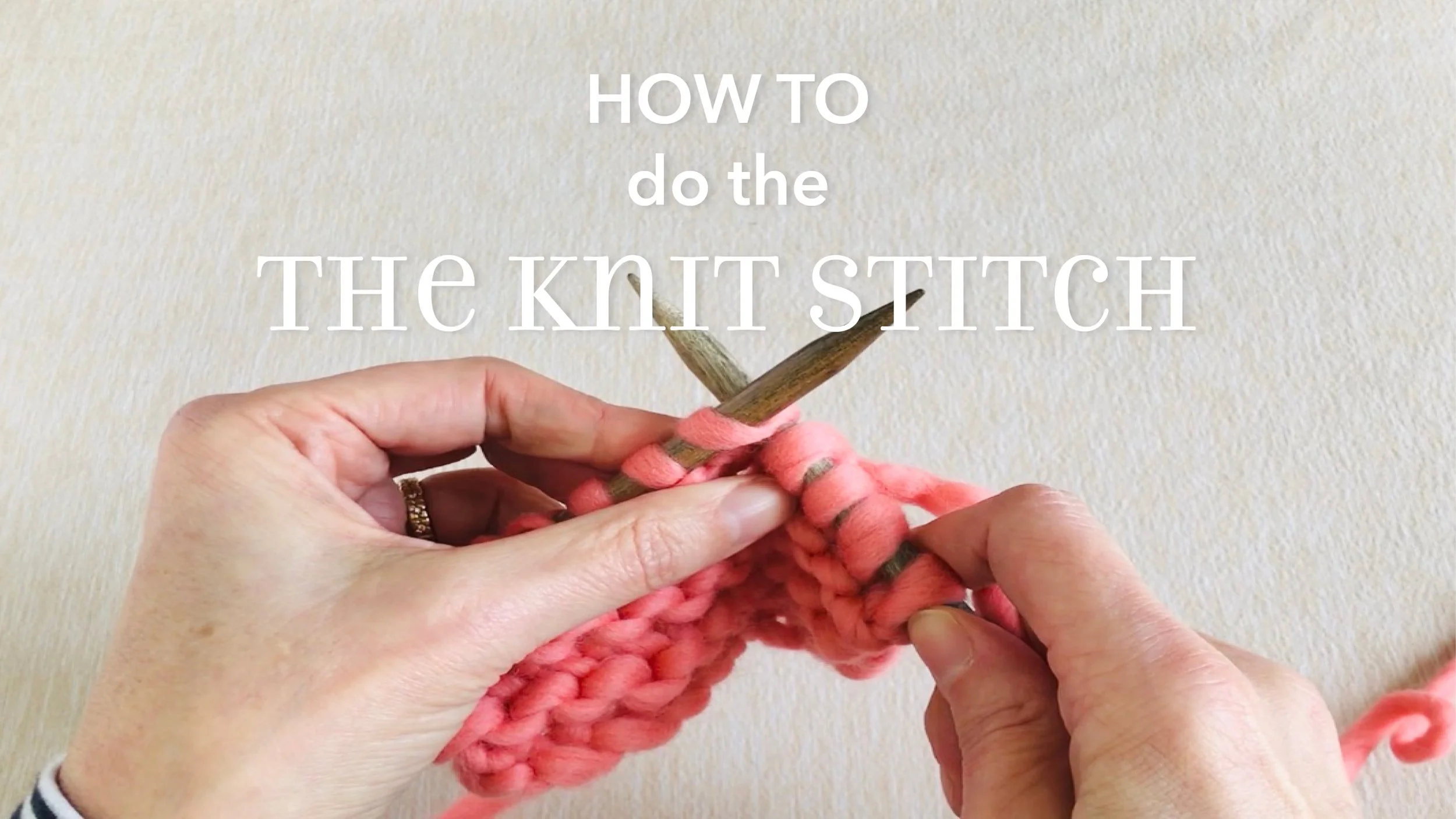
Knit and purl are the foundation stitches of knitting. Once you have cast on, it's go time! This tutorial will show you how to knit using the English method, holding the yarn in your right hand and throwing. Knitting is tricky at first. If you have made a mistake (which everyone does!) and want to fix it so that you can move on - see the video below on "tinking" - a VERY useful skill!

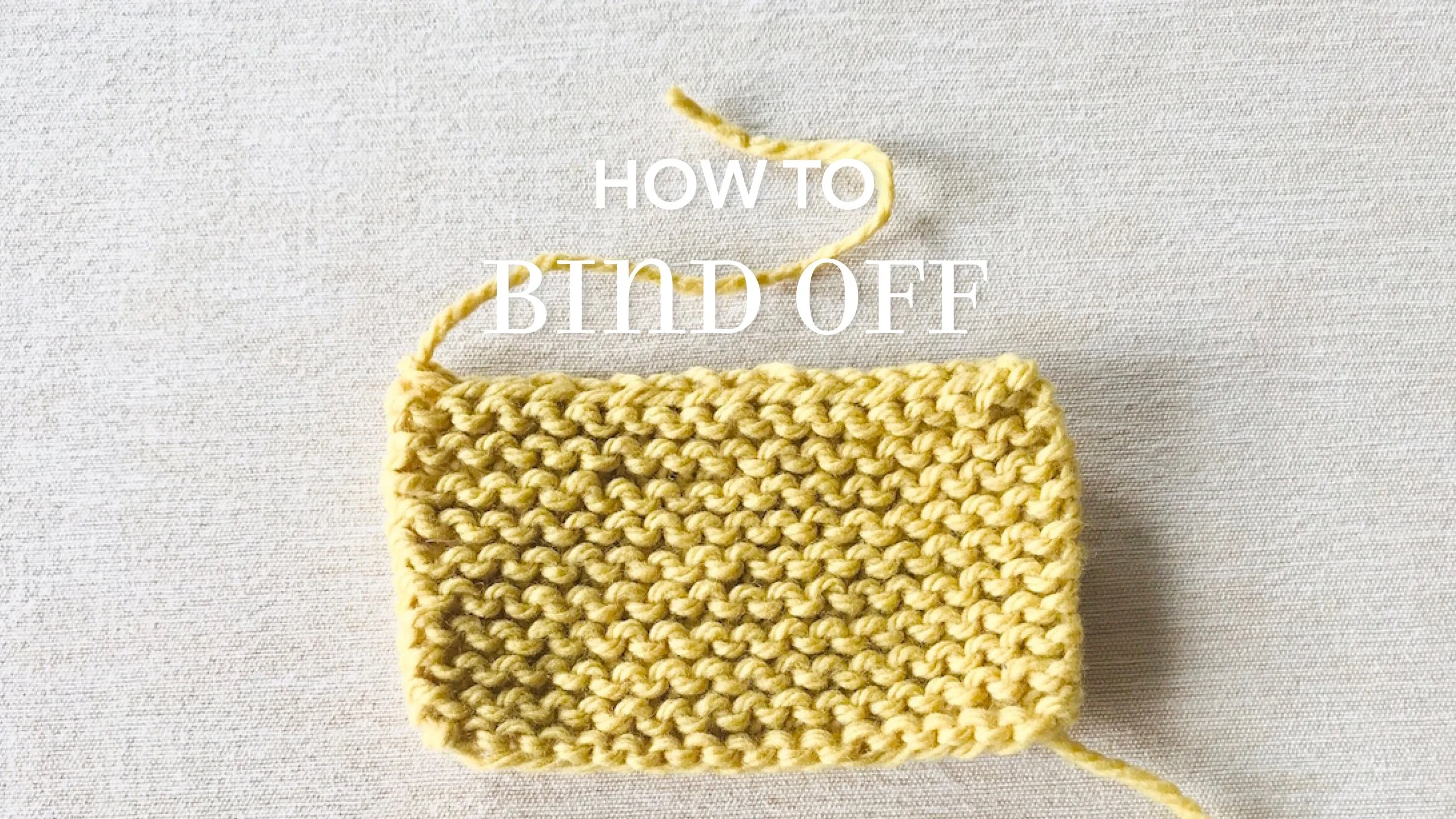
Binding off (or casting off) is the final step in many a knitting project - and an essential knitting skill. There are many bind-offs, but this basic bind-off is the grandpappy of them all - and it's so simple - you can learn it in less than 5 minutes!

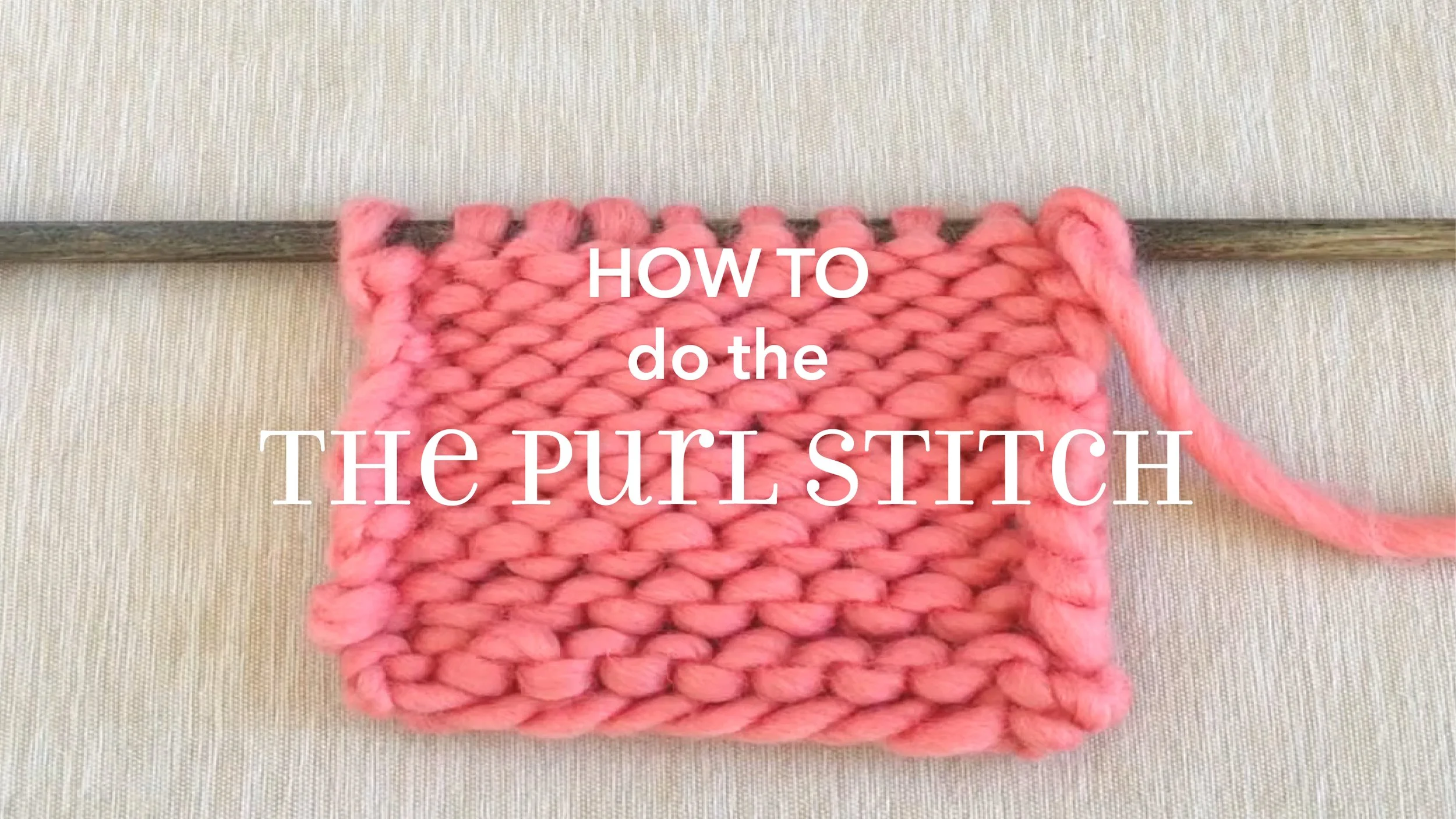
Knit and purl are the foundation stitches of knitting. Once you've got the knit stitch down, it's time to learn how to purl! This video will teach you how to purl in the "English" style - holding the yarn in your right hand and throwing (English style). Knitting and purling are tricky at first. If you have made a mistake and need to get back to correct it, see the video on "tinking" below.

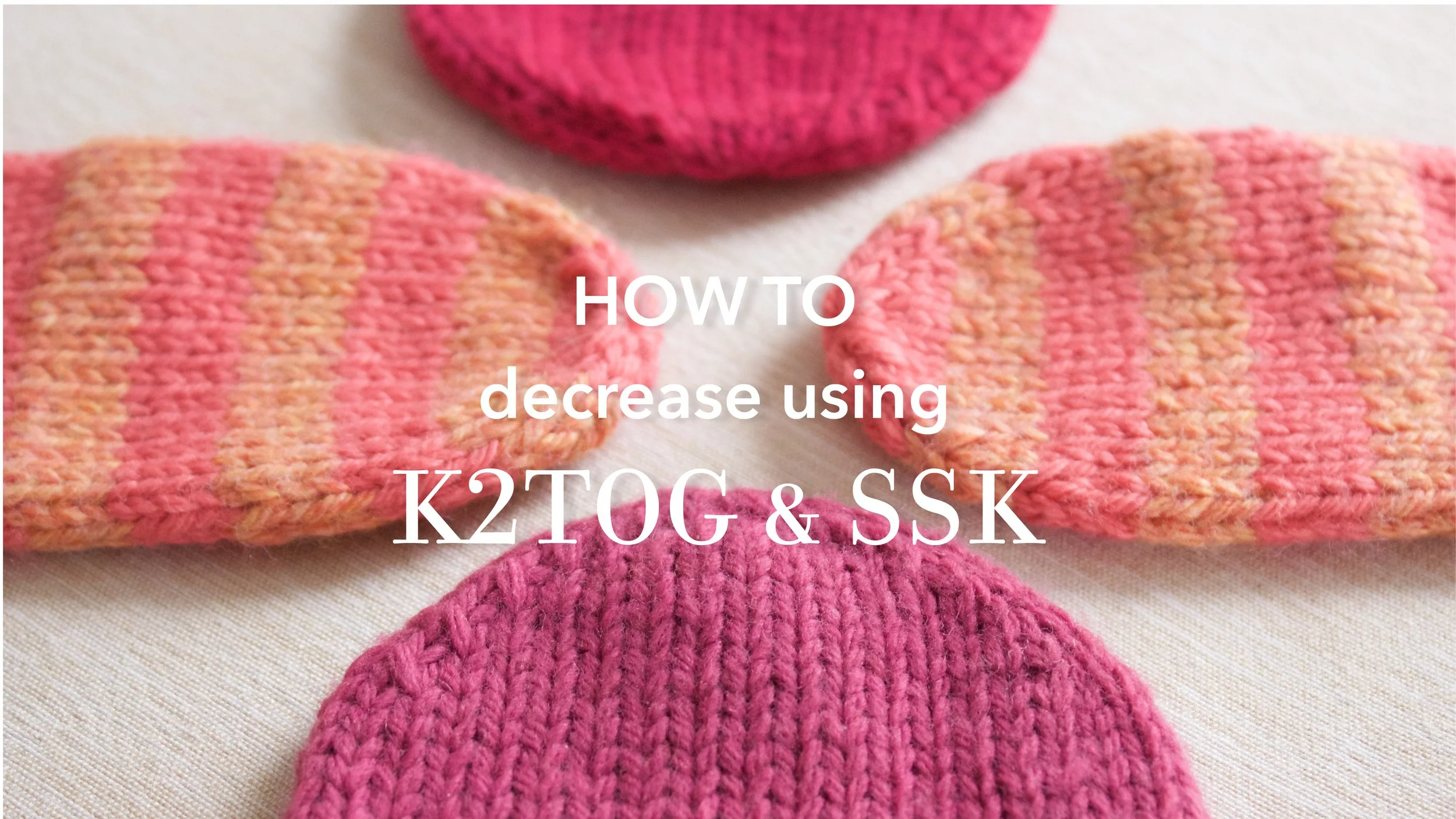
K2tog and SSK are essential building blocks of knitting. Everything that is shaped - from the crown of a hat to a toe of a sock has been shaped with increases and decreases. K2tog and SSK are basic decreases used to create the curved top of mittens, the gentle shape of a sleeve, or a waistline. You will encounter them again and again on your knitting journey. K2tog and SSK are mirrored decreases. K2tog visibly leans to the right while SSK leans to the left.

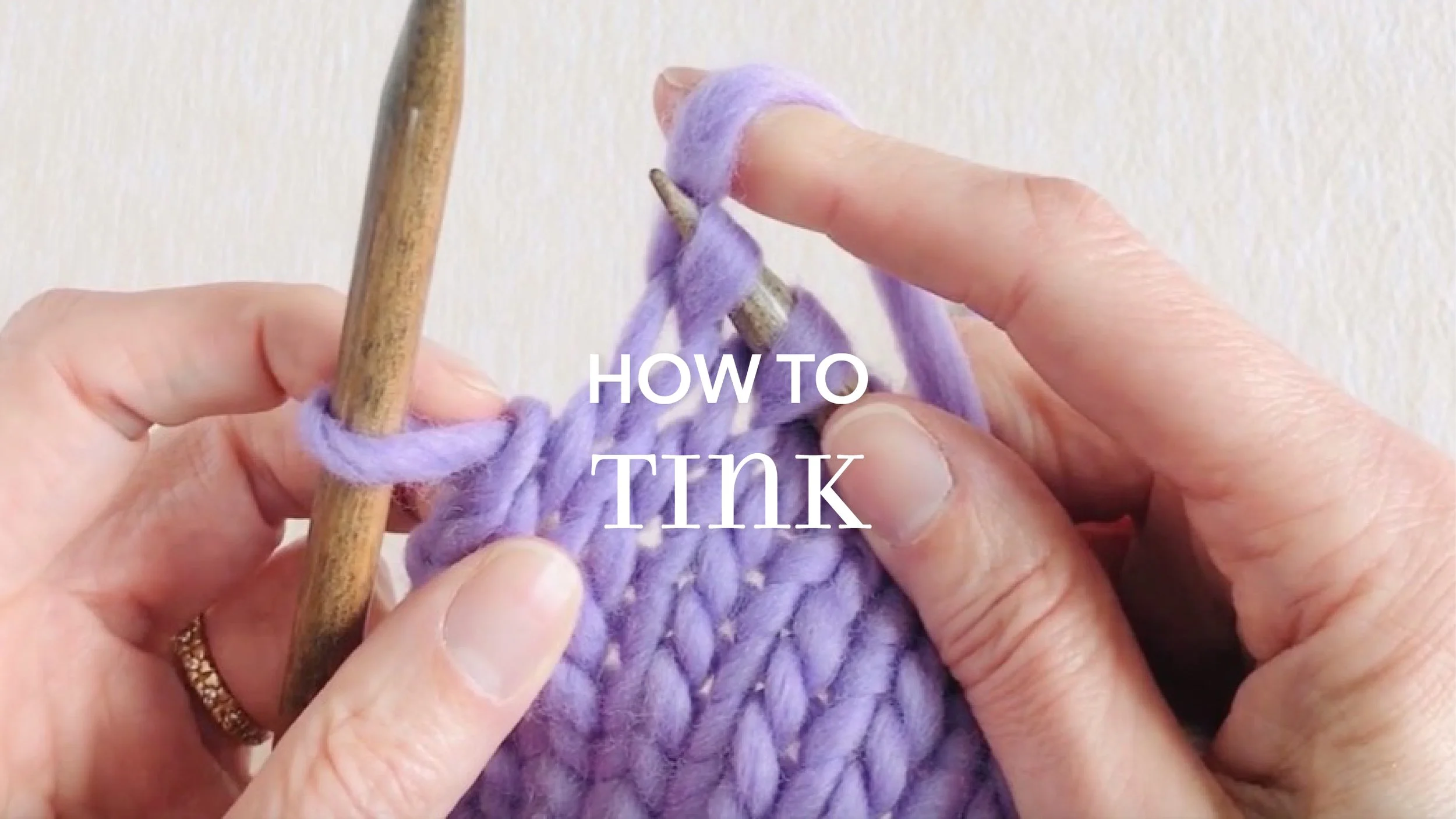
Knitting is tricky business - especially in the beginning. One of the most important skills you can have is knowing how to tink - or unknit. Tinking is knitting backwards and it is especially useful if you've made a mistake in the last row or 2. This video will show you how to back up to your mistakes. Don't worry, you'll be going forwards again in no time!

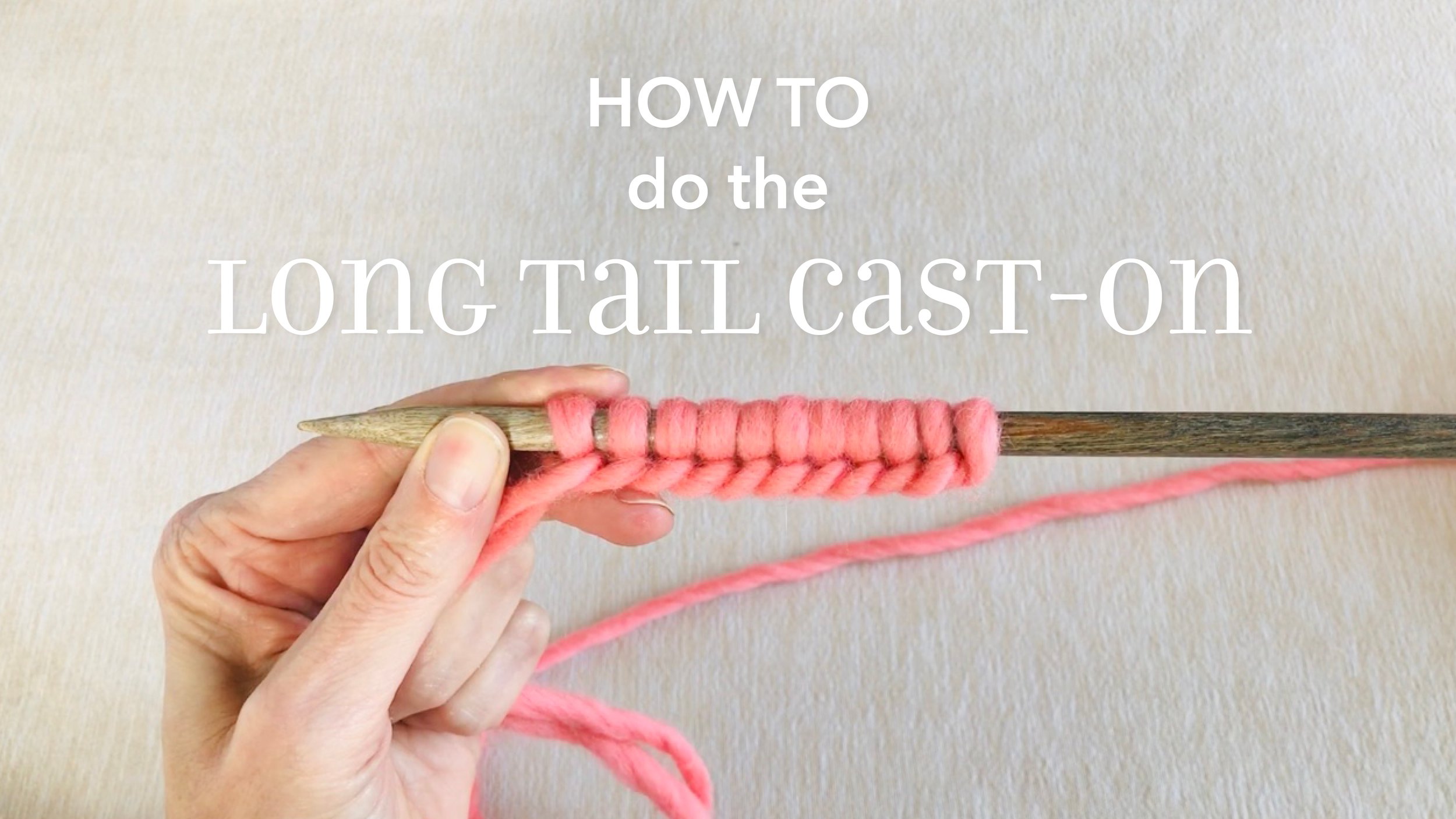
There are many cast-ons out there - some with very specific uses. The Long Tail Cast-On is the mother of all cast-ons. This is a good solid cast-on that provides a firm but elastic edge. It can be used for any project that does not specify a different cast-on.

The Cable Cast On is a great beginner cast on that you will use again and again. It creates a firm edge (as opposed to stretchy) and is a bit easier to learn than the Long Tail Cast On. I especially like to use it when I need to cast on extra stitches for the underarm of sweater.